
Search Is No Longer Just Google: How Instagram, TikTok, and AI Platforms Are Redefining SEO
For years, search engine optimization (SEO) meant one thing: ranking on Google. Brands invested heavily in keywords, backlinks, and technical optimization to appear on the first page of search results. While Google is still a dominant force, the way people search for information has fundamentally changed. Today, users are just as likely if not more likely—to search on Instagram, TikTok, YouTube, and AI-powered platforms like ChatGPT, Perplexity, and Gemini.
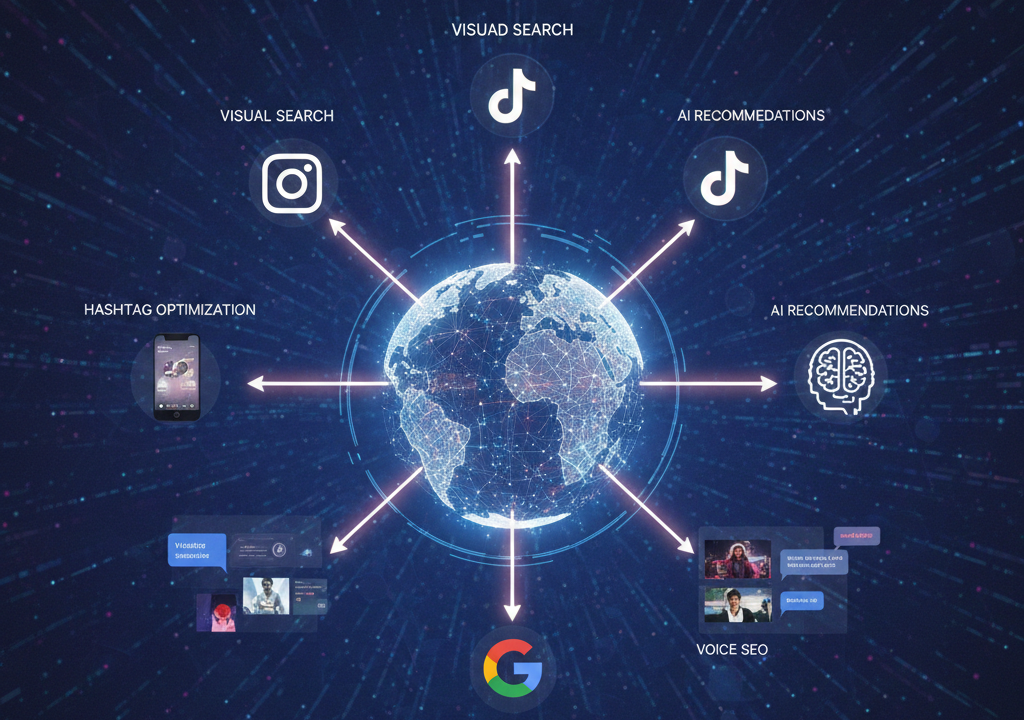
Search is no longer limited to blue links and text-based queries. It has become visual, conversational, and platform-specific. This shift is redefining SEO as we know it, forcing businesses and marketers to rethink how they create content, optimize visibility, and connect with audiences
The Evolution of Search Behavior
Modern users don’t always “Google it” anymore. Younger generations, especially Gen Z and Millennials, often turn to social platforms first. If someone is looking for a restaurant, skincare routine, travel destination, or business advice, they may search directly on Instagram or TikTok to see real experiences, reviews, and short-form explanations.
At the same time, AI tools are changing expectations. Instead of scrolling through multiple pages, users can ask an AI assistant a question and receive a summarized, context-aware answer instantly. Search has become faster, more intuitive, and more personalized.
This evolution means SEO is no longer about optimizing for one algorithm—it’s about being discoverable wherever your audience is searching.
Instagram as a Search Engine
Instagram has quietly transformed into a powerful search and discovery platform. Users now search for hashtags, keywords, locations, and even phrases directly within the app. Instagram’s algorithm reads captions, alt text, hashtags, profile bios, and engagement signals to decide what content appears in search results.
For businesses, this means Instagram SEO matters. Using relevant keywords in captions, optimizing profile names and bios, and adding descriptive alt text to images can significantly improve visibility. Local businesses benefit especially from location tagging and geo-specific keywords, making it easier for nearby customers to find them.
Reels have further amplified Instagram’s role in search. Short, informative videos that answer common questions or demonstrate products are increasingly surfaced in search and Explore pages, giving brands long-term discoverability beyond followers.
TikTok and the Rise of Short-Form Search
TikTok has rapidly become one of the most influential search platforms in the world. Many users now type full questions into TikTok’s search bar, such as “best marketing tips for small businesses” or “how to design a logo.” TikTok’s algorithm prioritizes relevance, watch time, and engagement, making content optimization crucial.
Unlike traditional SEO, TikTok SEO focuses heavily on spoken keywords. The words you say in a video, the text on screen, captions, and hashtags all contribute to how TikTok categorizes and ranks content. Videos that clearly explain a topic, answer a specific question, or provide step-by-step value tend to perform best in search.
For brands, TikTok offers a massive opportunity. A single well-optimized video can continue driving traffic, leads, and brand awareness months after posting—similar to a high-ranking blog post on Google.
AI Platforms and Conversational Search
AI-powered platforms are reshaping how people search and consume information. Tools like ChatGPT, Perplexity, and Google’s AI Overviews provide direct answers instead of a list of links. This changes the goal of SEO from “ranking first” to “being referenced and trusted.”
AI search relies heavily on high-quality, authoritative, and well-structured content. Clear explanations, natural language, topical depth, and real expertise increase the chances of your content being used as a source or inspiration for AI-generated responses.
This also means brands must think beyond keywords. Context, intent, and clarity matter more than ever. Content that genuinely helps users, answers real questions, and demonstrates authority will win in AI-driven search environments.
Why Traditional SEO Alone Is No Longer Enough
Google SEO is still essential, but relying on it alone is risky. Algorithm updates, increased competition, and AI-generated answers can reduce organic traffic overnight. Diversifying your search presence across platforms creates stability and expands reach.
Each platform has its own “SEO rules.” What works on Google may not work on TikTok or Instagram. Successful brands adapt their content format while maintaining consistent messaging. A blog post can become a Reel, a TikTok video, a carousel post, or a summarized AI-friendly guide.
SEO is no longer just technical—it’s strategic and creative.
The New SEO Strategy: Search Everywhere Optimization
Modern SEO is shifting toward what can be called Search Everywhere Optimization. This approach focuses on visibility across multiple platforms rather than ranking on a single search engine.
Key elements include:
- Creating platform-specific content optimized for how users search there
- Using natural language and conversational keywords
- Leveraging video, visuals, and storytelling
- Building topical authority across blogs, social media, and AI-friendly content
- Maintaining consistent branding and messaging everywhere
Brands that show up consistently across Google, social platforms, and AI tools build trust faster and stay top-of-mind.
What This Means for Businesses and Marketers
For businesses, especially small and medium-sized ones, this shift is an opportunity—not a threat. You no longer need massive budgets to compete for visibility. Authentic content, clear expertise, and smart optimization can outperform traditional advertising.
Marketers must now think like educators and creators, not just optimizers. Understanding user intent, answering questions clearly, and presenting information in engaging formats are the new SEO fundamentals.
Those who adapt early will gain a strong competitive edge, while those who rely only on old SEO tactics risk becoming invisible.
Conclusion: The Future of SEO Is Multi-Platform
Search is no longer confined to Google. Instagram, TikTok, and AI platforms are redefining how people discover information, products, and brands. SEO has evolved into a multi-platform discipline that blends content marketing, social media, and AI readiness.
The future belongs to brands that understand this shift and optimize for visibility everywhere their audience searches. By embracing modern SEO strategies and creating value-driven content, businesses can stay relevant, discoverable, and competitive in an ever-changing digital landscape.